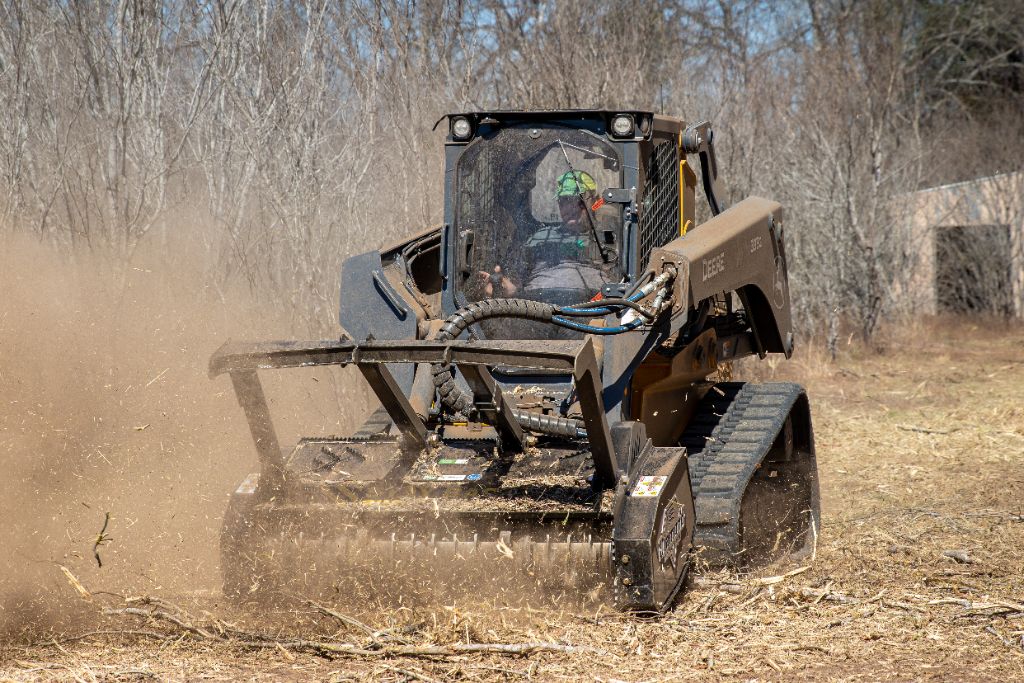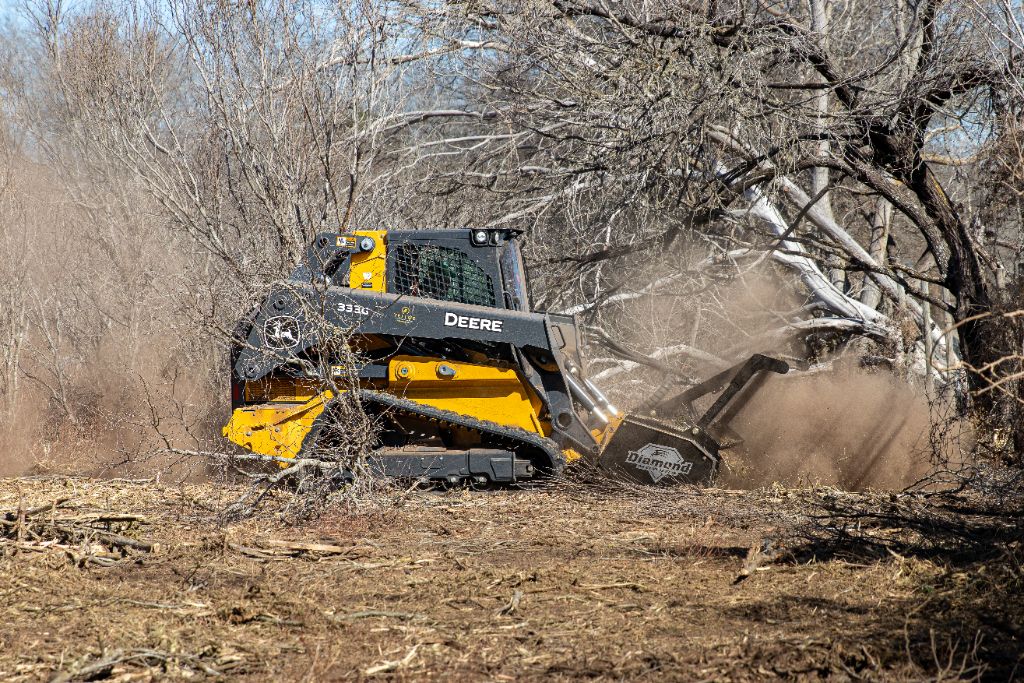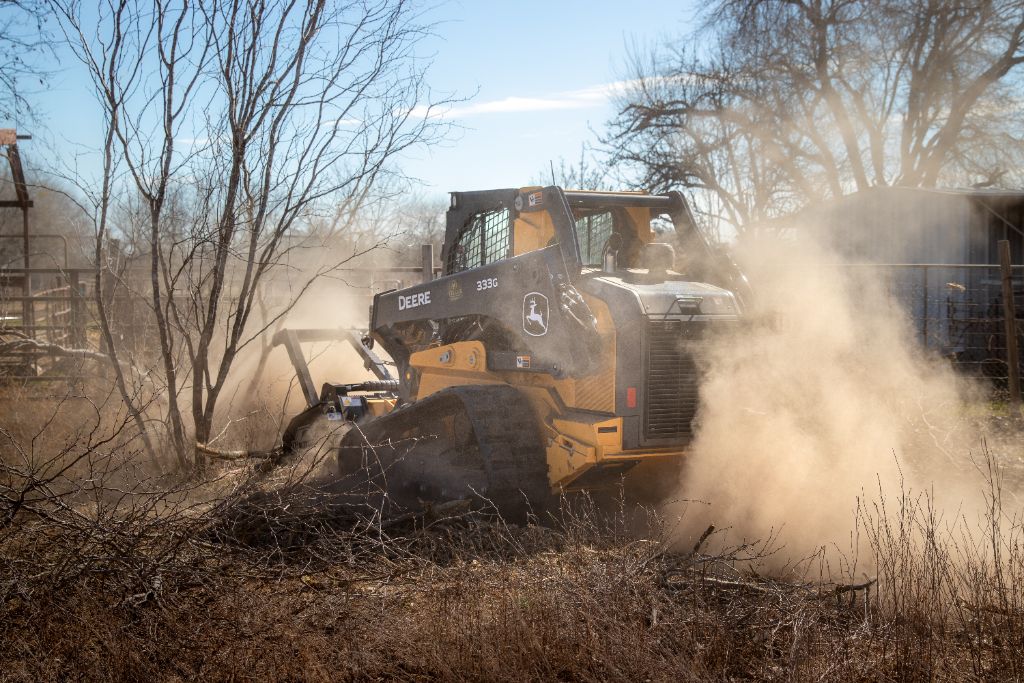
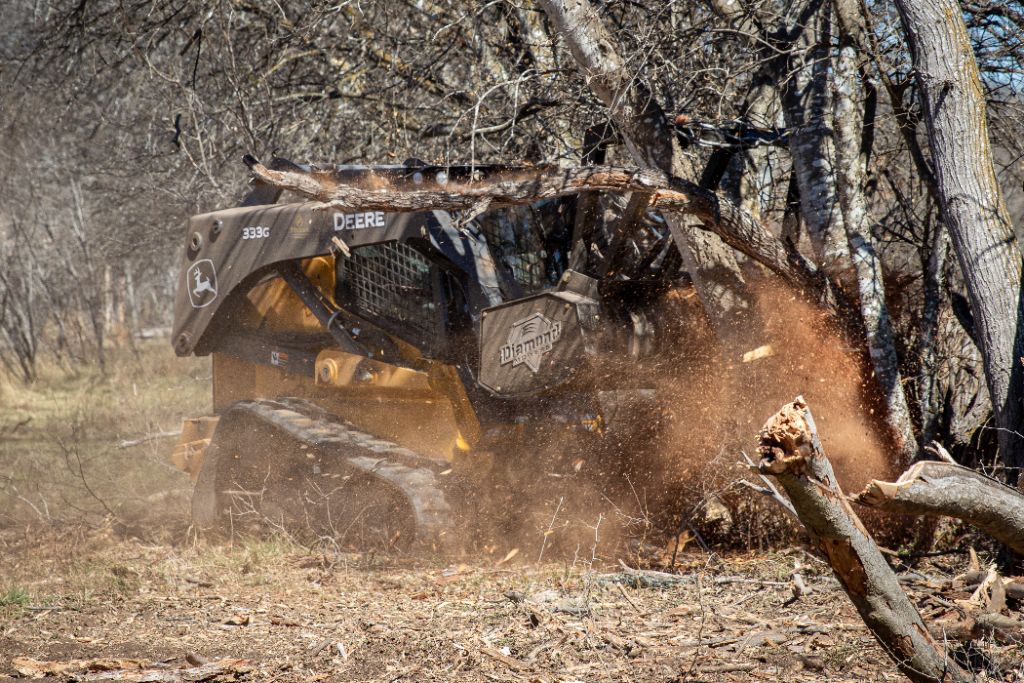
Image Prompt 1: Wide-angle shot of John Deere 333G with Diamond Mower attachment actively mulching a dense stand of Ashe juniper (cedar) trees. Visible wood chips flying, before/after split showing thick cedar thicket on left transforming into clean mulched ground on right. Golden hour lighting, Hill Country backdrop.
The Silent Property Value Killer
You bought 20 acres of Texas Hill Country paradise. Rolling terrain, limestone outcrops, and—wait—what's that thick, dark-green wall blocking your view? Ashe juniper, also called "cedar" by locals, and it's not just ugly. It's actively costing you money every single day.
Here's what I call the Cedar Tax:
- Water theft: Each mature cedar sucks 40+ gallons of water per day—that's 14,600 gallons per year, per tree
- Fire insurance penalty: Dense cedar increases wildfire risk, raising premiums 15–30%
- Curb appeal collapse: Overgrown cedar makes properties "look abandoned" to buyers
- Lost development potential: Can't build, hunt, or recreate in a cedar jungle
After clearing 50+ acres of cedar last month near Boerne, the landowner's appraiser added $8,500 per acre to the property value. That's $425,000 for one week of forest mulching.
Why Cedar Dominates Central Texas
Edwards Plateau Ecoregion Facts:
- Soil: Shallow limestone/caliche (6–18 inches deep) over karst bedrock
- Native species LOST: Little bluestem, Indiangrass, Texas oak savannas
- Invasive species GAINED: Ashe juniper (Juniperus ashei), King Ranch bluestem, KR bluestem
- Climate data: 24–32 inches annual rainfall, but cedar roots intercept runoff before it reaches aquifers
Before Anglo settlement, natural wildfires and Native American burning kept cedar in check. Now, 100+ years of fire suppression have created 30 million acres of cedar infestation across Texas.
The Real Cost of Cedar (Per Acre Analysis)
| Issue | Annual Cost | 10-Year Impact |
|---|---|---|
| Water Loss (50 trees/acre × 14,600 gal/tree) | 730,000 gal stolen | 7.3M gallons lost |
| Fire Insurance Penalty (20% increase on $2,500 policy) | $500 | $5,000 |
| Property Tax on Reduced Value (25% appraisal drop) | $1,200 | $12,000 |
| Opportunity Cost (can't lease for hunting/recreation) | $2,000 | $20,000 |
| Total Cedar Tax | $3,700/year | $37,000 |
Fire Risk Reality: The 2011 Bastrop Fire (killed 2 people, destroyed 1,600 homes) spread fastest through dense juniper stands. TPWD estimates 80% of Texas wildfires accelerate in cedar-dominated areas.
The Solution: Forest Mulching (Not Burning)
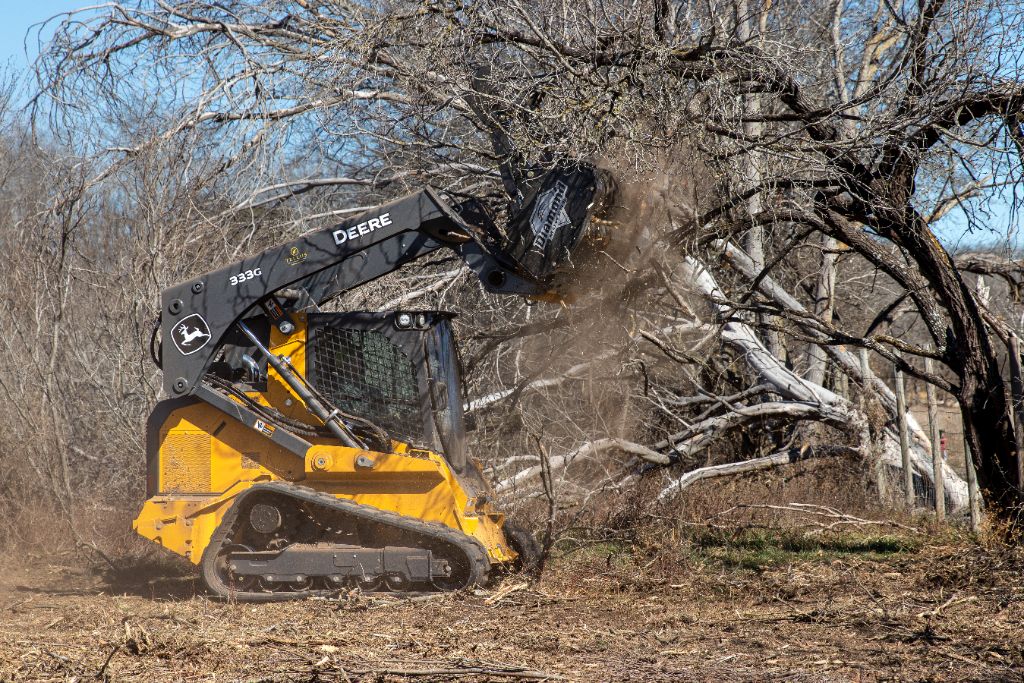
Image Prompt 2: Dramatic before/after comparison—LEFT: impenetrable cedar thicket (viewer can barely see 10 feet into darkness), RIGHT: same acre transformed into open mulched ground with retained oak trees, visible limestone, and sunlight reaching soil. Ruler showing 3–4 inch mulch layer. San Antonio area.
Why Mulching Beats Burning or Bulldozing
| Method | Cost per Acre | Erosion Risk | Regrowth Speed | Soil Health |
|---|---|---|---|---|
| Prescribed Burn | $50–$150 | Moderate | Fast (2–3 years) | Nutrient loss |
| Bulldozing | $1,500–$3,000 | HIGH (bare soil) | Slow (5+ years) | Topsoil destroyed |
| Forest Mulching | $800–$1,800 | LOW (mulch blanket) | Manageable (spray yearly) | Organic matter added |
Our Process
- Site Assessment: Identify native oaks/elms to save, mark cedar concentration zones
- Diamond Mower Attachment: Grinds trees + roots into 3–4 inch wood chips
- Selective Clearing: We don't clear-cut—we create savannas with 30–40% tree canopy
- Mulch Layer: Chips suppress cedar regrowth, retain moisture, prevent erosion
- Follow-Up Plan: Spray emerging cedar seedlings with Remedy or Grazon (year 1–2)
From Cleared Land to Cash-Flowing Asset
Clearing cedar is step one. Here's how to maximize ROI:
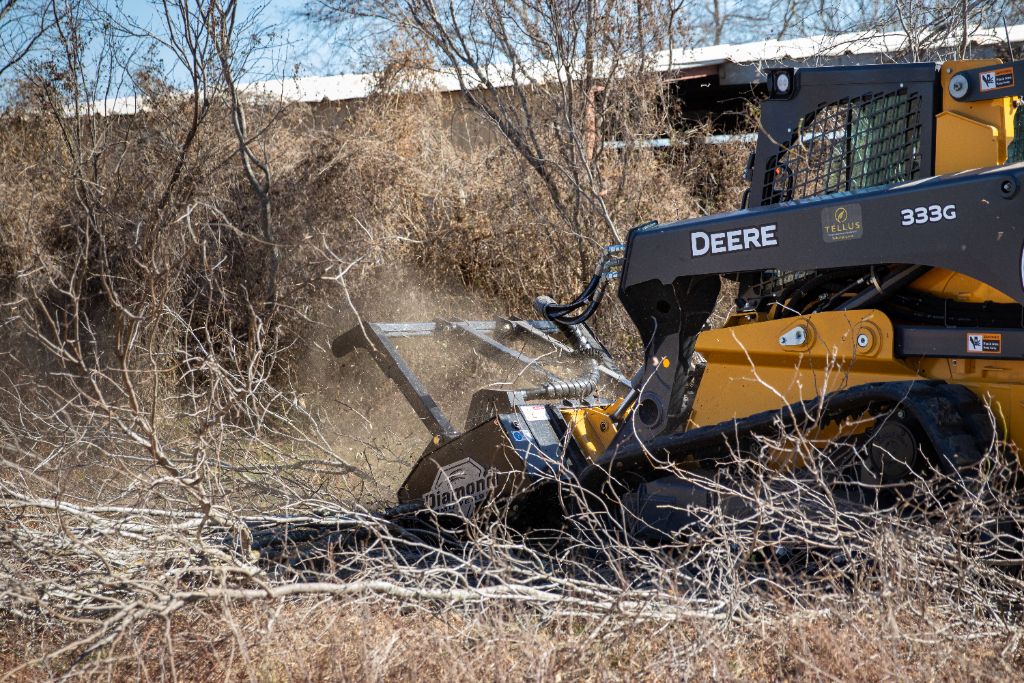
Image Prompt 3: Newly cleared Hill Country property NOW showing: native limestone stacked into dry-stack fire pit seating area, crushed granite trail winding through retained live oaks, wildflower meadow (bluebonnets/Indian paintbrush) where cedar used to be. Family enjoying the space. Real estate "For Sale" sign in corner with "SOLD" sticker.
High-ROI Hardscaping Projects
- Limestone fire pits + seating: $2,500 investment = $8,000 perceived value
- Crushed granite trails: $1,200/acre = instant "usable recreation space"
- Native grass restoration: $800/acre seed = $3,000/acre value boost
- Wildlife food plots: $500/acre = hunting lease potential ($2,000–$5,000/year)
Real Example: A 40-acre property near Fredericksburg sold for $18,000/acre after cedar clearing + basic trails. Same property with cedar? Comp sales showed $11,000/acre. That's $280,000 profit from a $45,000 clearing investment.
What You'll Find Under the Cedar
Cedar doesn't just block views—it smothers native grasslands that once covered 75% of the Hill Country.
Little Bluestem
Perennial bunchgrass, copper-red in fall, excellent for wildlife
Indiangrass
Tall (5–7 ft) native, golden seed heads, livestock-friendly
Sideoats Grama
Texas state grass, drought-tolerant, soil stabilizer
Texas Red Oak
Shade tree, fall color, mast for deer/turkey
After mulching, these native species often re-emerge within 6–12 months from dormant seed banks. You don't have to replant—Mother Nature does the work.
Stop Paying the Cedar Tax
Let's walk your property together. I'll show you exactly how much cedar is costing you—and create a mulching plan that turns it into profit.
No obligations. Free consultation. Serving San Antonio, Austin, Boerne, Corpus Christi, Laredo, McAllen, and all of Central Texas & South Texas.