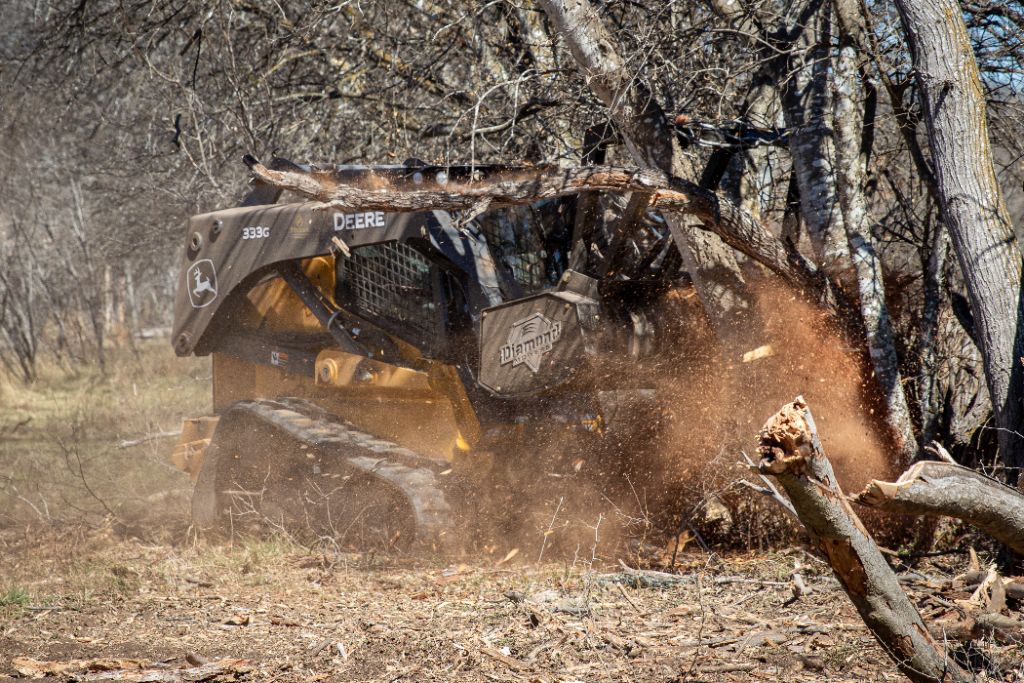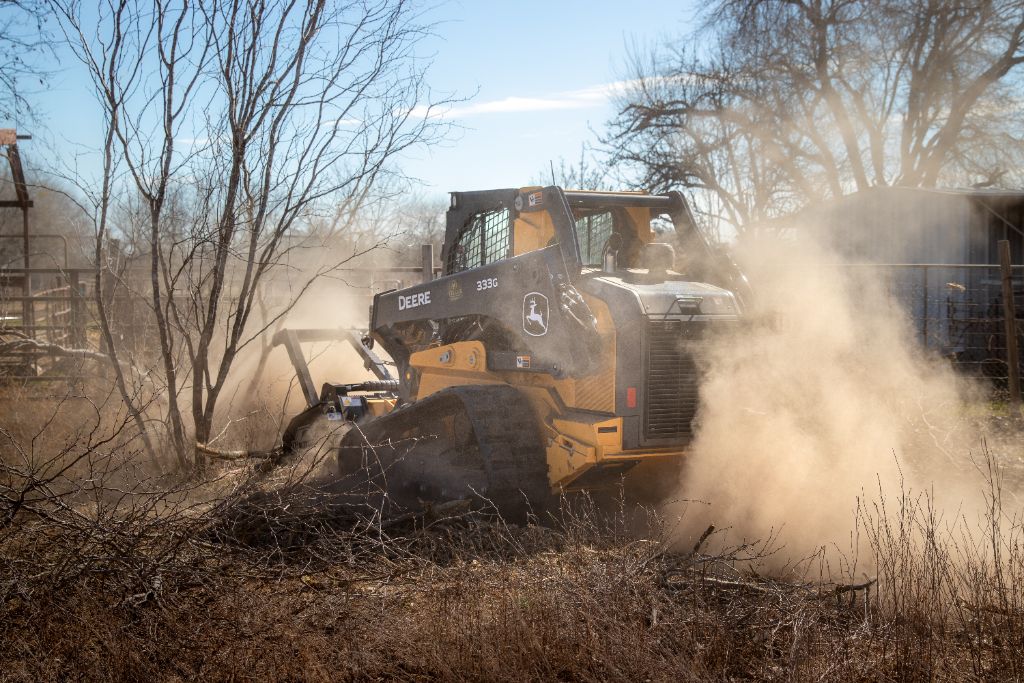
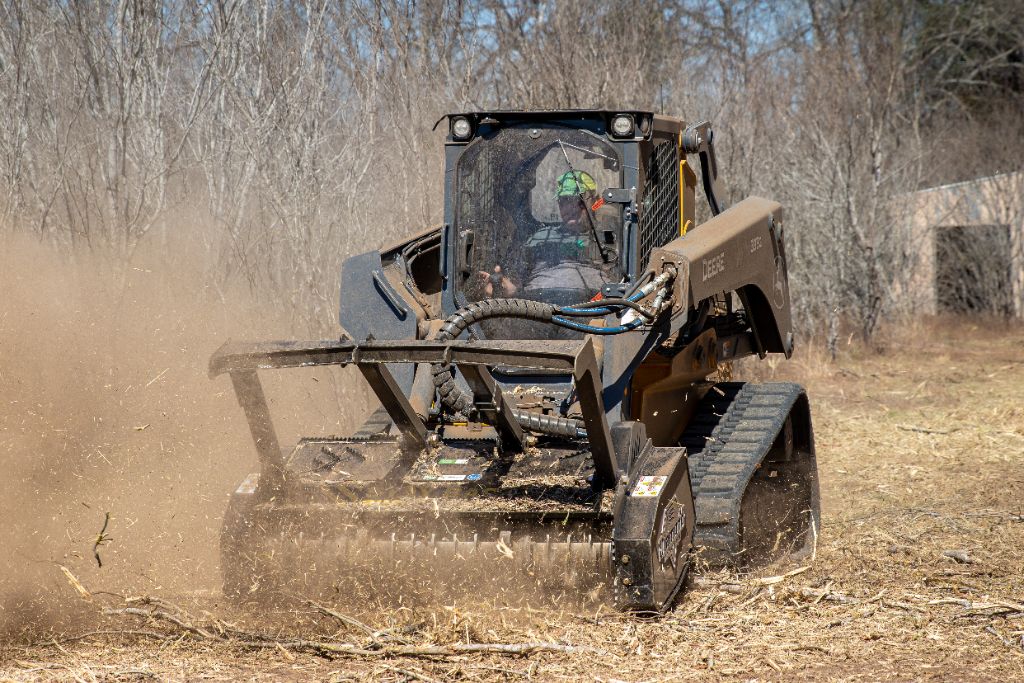
Image Prompt 1: Aerial drone view showing three concentric zones around a Hill Country home. Zone 1 (0-30 ft): clean gravel bed, no vegetation touching house. Zone 2 (30-100 ft): thinned trees with 10-foot spacing, mowed grass, no ladder fuels. Zone 3 (100-200 ft): forest mulched area with firebreaks. Visible contrast between protected home and dense cedar forest beyond. Texas landscape, professional fire mitigation documentation style.
The Fire That Changes Everything
September 4, 2011. Bastrop County, Texas. A single downed power line ignites dry grass near State Highway 71. Within 24 hours, the Bastrop County Complex Fire becomes the most destructive wildfire in Texas history.
Final toll: 34,356 acres burned. 1,673 homes destroyed. Two lives lost. $325 million in damages.
What made it so deadly? Dense cedar and pine forests that hadn't been cleared. Fire spread at 4-6 mph through stands so thick firefighters couldn't access them.
- 2023 Texas wildfires: 2.1 million acres burned statewide
- Insurance reality: High-risk properties pay 15-30% higher premiums
- Prevention cost: $2,000-$5,000 per acre for defensible space
- Average home replacement: $350,000+ (if you survive the fire)
A client near Wimberley created 150-foot defensible space around their home in 2022. When the 2023 wildfires came within 1/4 mile, their property was untouched. Insurance company sent a thank-you letter and reduced their premium 22%.
The 3-Zone Defensible Space System
Texas A&M Forest Service and NFPA (National Fire Protection Association) recommend a layered defense strategy:
Zone 1: Immediate (0-30 Feet from Structure)
- Goal: Create a "ember-proof" zone—nothing can ignite
- Vegetation: ZERO dead plants, leaves, or mulch within 5 feet of home
- Trees: Trim all branches 10 feet from roof and chimney
- Ground cover: Gravel, rock, or succulent plants ONLY (no wood mulch)
- Maintenance: Weekly inspection during fire season (March-November)
- Why it works: 90% of home ignitions come from windblown embers landing in mulch/leaves
Zone 2: Intermediate (30-100 Feet from Structure)
- Goal: Slow fire spread, prevent crowning (fire jumping tree-to-tree)
- Tree spacing: 10-foot minimum between canopies
- Ladder fuels: Remove ALL brush under trees (cedar, brush, dead branches)
- Grass height: Mow to 4 inches or less (dry grass = fuse wire)
- Deadwood: Remove all fallen logs, stumps, brush piles
- Why it works: Breaks fire's ability to climb from ground to treetops
Zone 3: Extended (100-200+ Feet from Structure)
- Goal: Reduce fire intensity before it reaches Zones 1-2
- Recommended: Forest mulching to eliminate cedar thickets
- Tree spacing: 20-foot canopy spacing (creates "savanna" look)
- Firebreaks: Roads, trails, or mowed strips (20-50 ft wide)
- Native grasses: Replace brush with low-fuel-load natives
- Why it works: Fire loses intensity in open areas, easier for firefighters to defend
Fire Marshal Rule: A properly maintained 100-foot defensible space gives firefighters a 90% success rate in protecting structures. Without it? Less than 50%.
Why Central Texas Burns So Hot
Central & South Texas vegetation = wildfire accelerants
| Fuel Type | Burn Temp | Spread Rate | Risk Level |
|---|---|---|---|
| Ashe Juniper (Cedar) | 1,200°F | 2-4 mph | EXTREME |
| Dry Grasses | 800-1,000°F | 4-8 mph (wind-driven) | HIGH |
| Oak Trees (living) | 600-800°F | 0.5-1 mph | MODERATE |
| Native Grasses (4" tall) | 400-600°F | 0.25-0.5 mph | LOW |
Why cedar is deadly:
- High resin/oil content = burns hotter than gasoline
- Dense stands create "fuel ladders" (ground → shrubs → trees → crowns)
- Wind-driven embers travel 1+ miles, starting spot fires ahead of main blaze
- Creates own weather (fire tornadoes, convection columns)
2011 Bastrop Fire: Fire jumped Highway 71 (a 100-foot-wide firebreak) SEVEN TIMES via windblown cedar embers. That's why defensible space alone isn't enough—you need LOW-FUEL vegetation too.
Insurance Discounts That Pay for Clearing
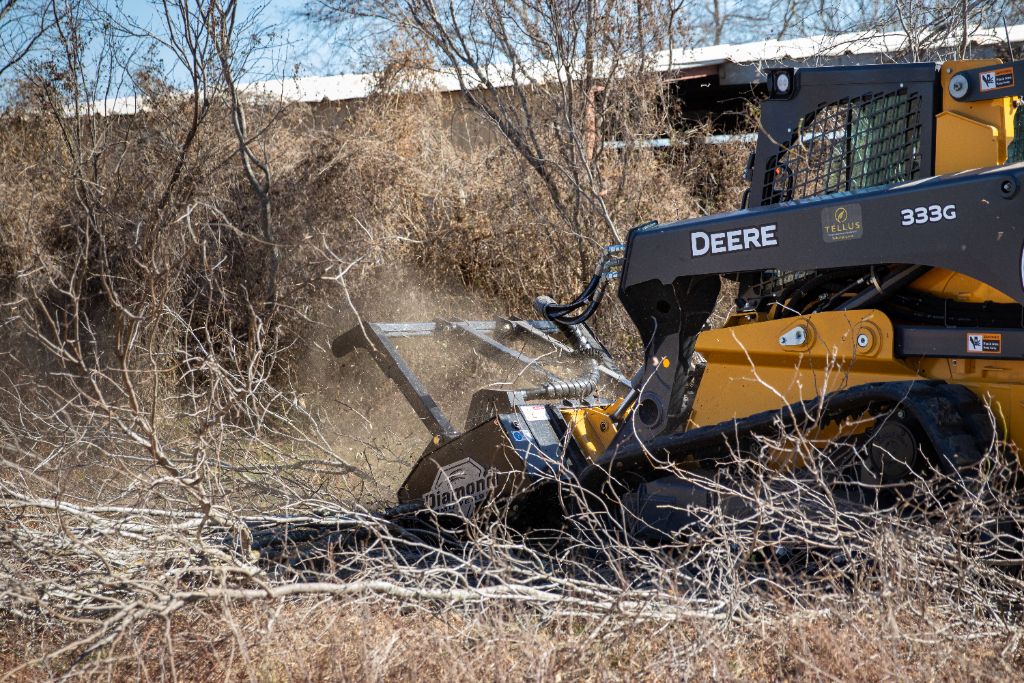
Image Prompt 2: Professional documentation photo showing measuring tape confirming 100-foot cleared zone around a Hill Country home. Insurance adjuster or fire marshal with clipboard taking notes. Visible cleared zones with mowed grass, spaced trees, no brush. Home protected by defensible space. Official documentation style with annotations showing measurements and compliance markers.
How to Get Insurance Premium Reductions
| Certification/Action | Discount | Annual Savings | Requirements |
|---|---|---|---|
| Firewise USA Certification | 5-15% | $150-$450/year | Community program + home assessment |
| Documented Defensible Space | 10-20% | $300-$600/year | Photos + fire marshal inspection |
| Metal Roof (Class A) | 5-10% | $150-$300/year | Fire-rated roofing material |
| Combined (all three) | 20-35% | $600-$1,050/year | Full wildfire mitigation |
Insurance companies that offer wildfire discounts:
- State Farm (up to 30% with mitigation)
- Allstate (15-25% for defensible space)
- USAA (20-30% for military/veterans)
- Texas Farm Bureau (10-20% with documentation)
ROI Example: Clearing 100-foot defensible space costs $4,000-$8,000. Insurance discount saves $600/year. Payback period: 7-13 years. But if your home burns down? You saved $350,000+ in replacement cost.
Official Fire Marshal Checklist
Texas A&M Forest Service and local fire marshals recommend these home hardening measures:
Structural Protection
- Metal Roof: Class A fire-rated (non-combustible). Tile or asphalt shingles rated Class A acceptable.
- Vents & Eaves: Use 1/8-inch metal mesh screens. Box in open eaves/soffits.
- Windows: Dual-pane or tempered glass (single-pane fails at 500°F). Shutters help.
- Siding: Fiber cement, stucco, or brick. Avoid vinyl (melts at 300°F) and wood.
- Deck: Composite or metal deck boards. No wood deck within 10 feet of home.
- Chimney: Spark arrestor with 1/2-inch mesh (prevents ember escape).
Property Features
- Driveway: 12-ft wide minimum (fire truck access)
- Water source: Pool, pond, or hydrant within 500 ft
- Address sign: Reflective, 4-inch letters, visible from road
- Fuel storage: Propane tanks 30+ ft from structures
- Firewood: Store 30+ ft from home, off ground
Fire marshals WILL inspect your property if you apply for Firewise certification. Having defensible space + home hardening gives you a 95%+ chance of approval—and that 15% insurance discount.
Fire-Smart Native Plants for Texas
Not all plants burn equally. These natives have HIGH moisture content and LOW flammability:
Buffalograss
Native lawn grass, stays green longer, burns slowly at 4" height
Texas Sedge
Low ground cover, high moisture, fire-resistant
Live Oak
Thick bark, high moisture leaves, survives ground fires
Texas Red Oak
Deciduous = less resin, survives moderate fires
Turk's Cap
Succulent stems, high moisture, fire-safe landscaping
Yucca
High water content, thick leaves, fire-break plant
Plants to AVOID near home: Ashe juniper (cedar), mountain cedar, mesquite (high resin), pampas grass (explosive when dry), ornamental junipers.
Protect Your Home Before Fire Season
Texas fire season runs March-November, with peak risk July-September. Don't wait for the smoke to appear. Let's create your 100-foot defensible space NOW.
No obligations. Free consultation. Firewise-certified clearing. Serving San Antonio, Austin, Boerne, Corpus Christi, Laredo, McAllen, and all of Central Texas & South Texas.